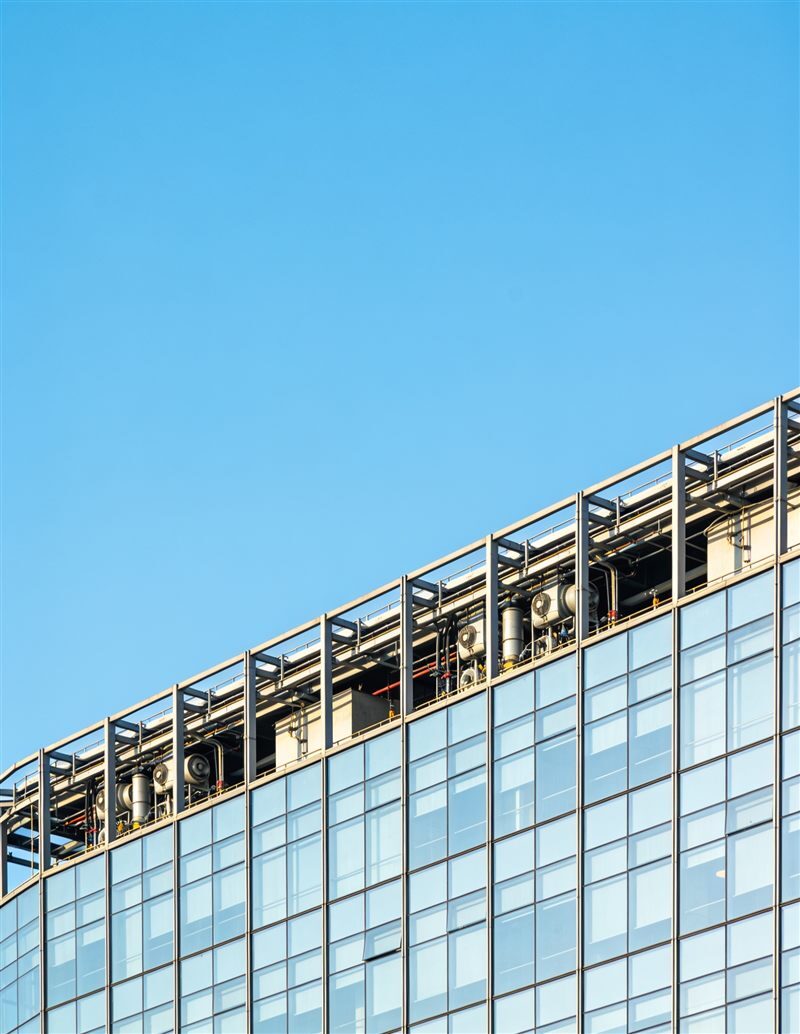
The design changed again. So did the risk.
A moved plant room, a new roof array, a services route that shifted: each one changes the lightning risk, and the assessment is usually the last thing anyone re-runs. In Lumex it is a revision, not a rebuild, and the whole team sees the new answer.
Built for a design that keeps moving
A revision, not a rebuild
The structure model is carried forward, so a design change means editing the inputs that moved and re-running. Each site keeps its own revision line, and the earlier version stays readable when someone asks what changed between issue B and issue C.
Risk resolved per zone, so services can act on it
The engine resolves risk down to each zone of uniform risk. That is what turns a building-level verdict into an instruction a services engineer can use: which zone needs the SPD coordination, and which does not.
Disciplines on one record
Electrical, services and project management work in the same project with roles scoped per person, so nobody is emailing a spreadsheet version around and nobody works from a superseded copy.
One project, every building, no stale copy
A campus or a phased development is one project holding many sites, each assessed on its own. The project rollup refreshes from the newest revision, so the lead sees which buildings are assessed, which are in review and which have not caught up with the latest design.
- See at a glance which sites are assessed, in review or still draft.
- Hand a site between disciplines without re-entering the structure model.
- Take a coefficient trace into a design review and answer where a value came from.
- Issue a branded report per building when each one reaches sign-off.
- Apply the national rules of the jurisdiction the project sits in, per project.